
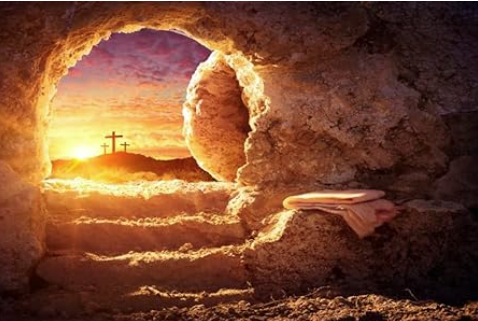
Never have heard this taught from the pulpit, but I believe it is important. The term “Easter” is deeply ingrained in Christian tradition, marking the celebration of Jesus Christ’s resurrection. However, a growing number of theologians, historians, and believers argue that this label—and its associated customs—strays from the event’s true biblical and historical roots. Instead, they propose renaming the holiday the “Last and Final Passover,” a term that better reflects its theological significance and historical context within the framework of God’s redemptive plan.
The Origins of “Easter” and Its Disconnect
The word “Easter” likely derives from “Eostre,” a Germanic goddess of spring and fertility, whose festival was celebrated around the same time as the Christian observance. This connection, documented by the 8th-century monk Bede, reveals how early Christian traditions in Europe absorbed pagan practices, including symbols like eggs and rabbits, which are tied to fertility rather than resurrection. While the blending of cultures helped Christianity spread, it also muddied the theological waters, diluting the holiday’s original meaning.
In contrast, the New Testament anchors the events of Jesus’ death and resurrection firmly in the Jewish feast of Passover. Jesus was crucified during Passover week, a time when Jews commemorated their deliverance from slavery in Egypt through the sacrificial lamb (Exodus 12). The Last Supper, widely recognized as a Passover Seder, was where Jesus instituted the new covenant, declaring the bread and wine as symbols of His body and blood (Luke 22:19-20). His death on the cross, often dated to Nisan 14 or 15 in the Jewish calendar (around 30-33 AD), coincided with the Passover sacrifice, and His resurrection three days later fulfilled the feast’s deeper meaning.
The Last and Final Passover: A More Accurate Name
Calling the holiday the “Last and Final Passover” reframes it in light of its biblical significance. Jesus, described as the “Lamb of God” (John 1:29), became the ultimate Passover sacrifice, fulfilling the Old Testament law and ending the need for animal sacrifices. The book of Hebrews states, “For by one offering He has perfected forever those who are being sanctified” (Hebrews 10:14). His death and resurrection marked the final Passover, completing God’s plan of redemption that began with the Exodus.
This name also restores the Jewish context of the event, which “Easter” obscures. Early Christians, who were predominantly Jewish, celebrated Jesus’ resurrection as part of Passover, not as a separate holiday. The shift to “Easter” came later, particularly after the Council of Nicaea in 325 AD, when the church sought to standardize dates and distance itself from Jewish traditions. This separation contributed to centuries of misunderstanding and division between Christians and Jews, a rift that a return to “Last and Final Passover” could help mend by honoring the shared roots of both faiths.
A Call for Theological Clarity and Unity
Renaming the holiday isn’t just about historical accuracy—it’s about theological clarity. “Easter” carries baggage: commercialization, secular traditions, and a focus on springtime renewal rather than the sacrificial atonement and victory over death. By contrast, “Last and Final Passover” centers the celebration on Christ’s fulfillment of the law, His role as the ultimate sacrifice, and the hope of eternal life.
This shift could also foster unity. For Jewish believers in Jesus (Messianic Jews), the term “Easter” feels foreign to their heritage, while “Passover” resonates deeply. For Christians, it’s a chance to reconnect with the biblical narrative and better understand the continuity between the Old and New Testaments. It’s a reminder that salvation history is one story, culminating in Christ’s redemptive work.
Moving Forward
The name “Easter” may be entrenched, but traditions can evolve. Churches and believers can start by teaching the Passover context of Jesus’ death and resurrection, incorporating Seder elements into their observances, and using “Last and Final Passover” in discussions and liturgy. This isn’t about erasing history but restoring it—reclaiming the holiday’s true meaning for a deeper, more unified faith.
Let’s celebrate the Last and Final Passover, where the Lamb of God conquered death once and for all.